
GLOBAL SOLUTIONS SUMMIT SCHEDULE OVERVIEW
June 1, 2026 | 9:00 A.m. – 6:00 p.m.
Main Conference Day & Evening Reception
Doors open at 8:00 a.m.
Evening Reception: 6:00 – 8:00 p.m.
June 2, 2026 | 9:00 a.m. – 3:00 p.m.
Community Day
Doors open at 8:00 a.m.
The second day focuses on deeper exchanges and working meetings within the community.
Each Summit day offers a distinct experience, combining plenary sessions, interactive dialogues, and opportunities for networking and collaboration.
We support a common framework for policy recommendations and action across sectors, generations, and regions. The two-day program is designed to expand perspectives and explore new approaches to finding common ground and solutions concerning challenges along five topical categories:

CLIMATE ACTION AND SUSTAINABILITY
How can cities, businesses, researchers, civil society, and citizens drive meaningful change when national and international politics provide limited space for action? What does effective bottom-up climate action look like, and which structures can sustain and amplify it?
What mix of public finance, private capital, and new instruments such as debt swaps and carbon pricing can make energy transition both just and achievable at scale?
DIGITAL AND AI TRANSFORMATION
How can technical innovation and new digital and AI governance models support people and democracy and bridge the innovation–regulation divide? How can frontier technologies expand opportunities globally, rather than excluding or disempowering the Global South?
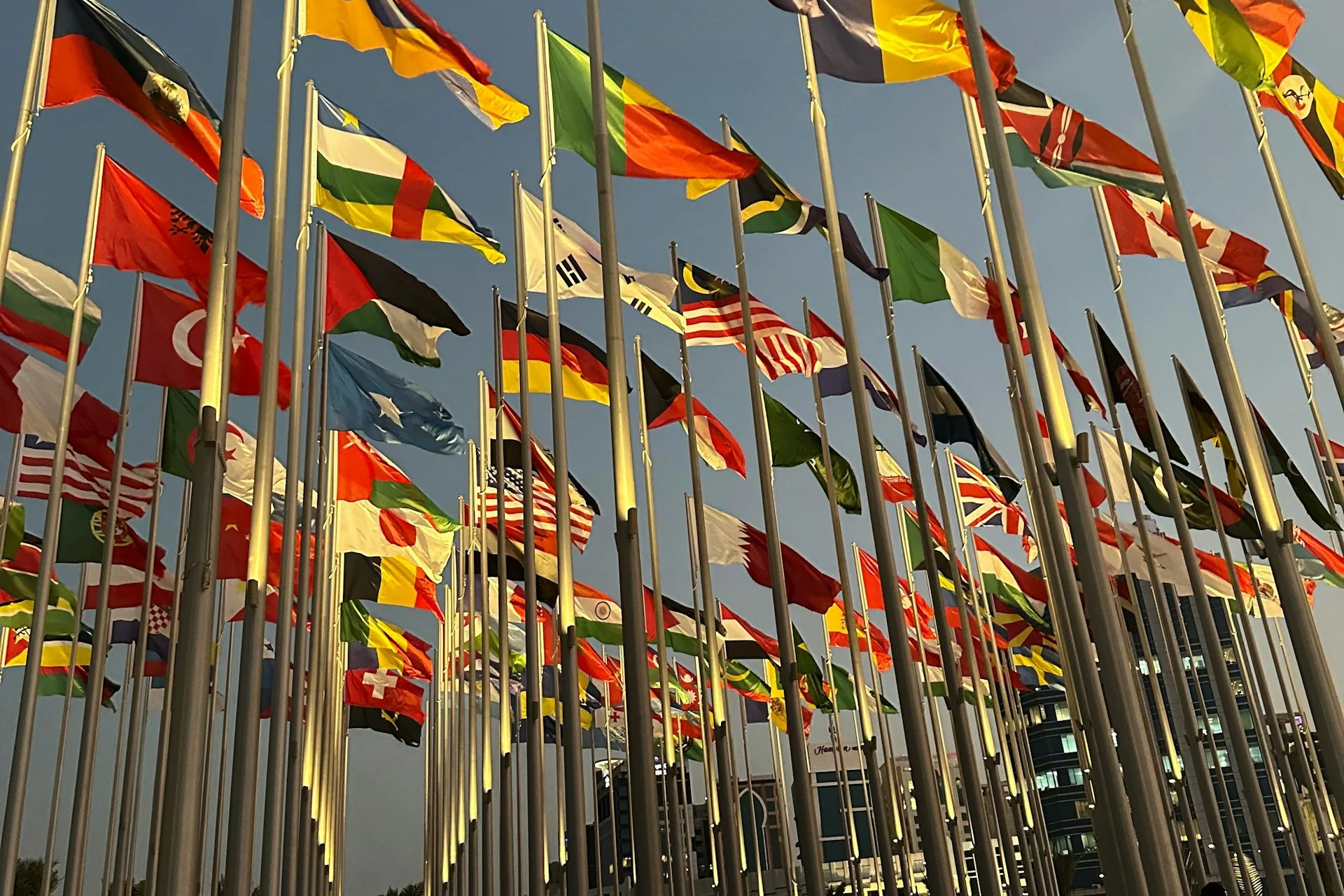
GLOBAL GOVERNANCE AND MULTILATERALISM
Many elements of the multilateral system are no longer respected or functioning effectively. A fundamentally new approach is needed — one that includes the Global South as an equal partner from the outset.
What role can middle powers play in sustaining and advancing multilateral cooperation when traditional leaders are less able to address global challenges?

GLOBAL TRADE, GEOECONOMICS AND FINANCE
What concrete steps can stabilize international trade, uphold multilateral trade rules and contain protectionist tendencies? How can fair access to critical resources and participation in global value chains be ensured?
Which policies and financial instruments can realistically contribute to reducing inequalities and strengthening global economic stability?

HUMAN FLOURISHING
What governance and policy frameworks can most effectively align business profitability with environmental sustainability and social well-being? How can these frameworks address the different realities of high-income and low-income countries?